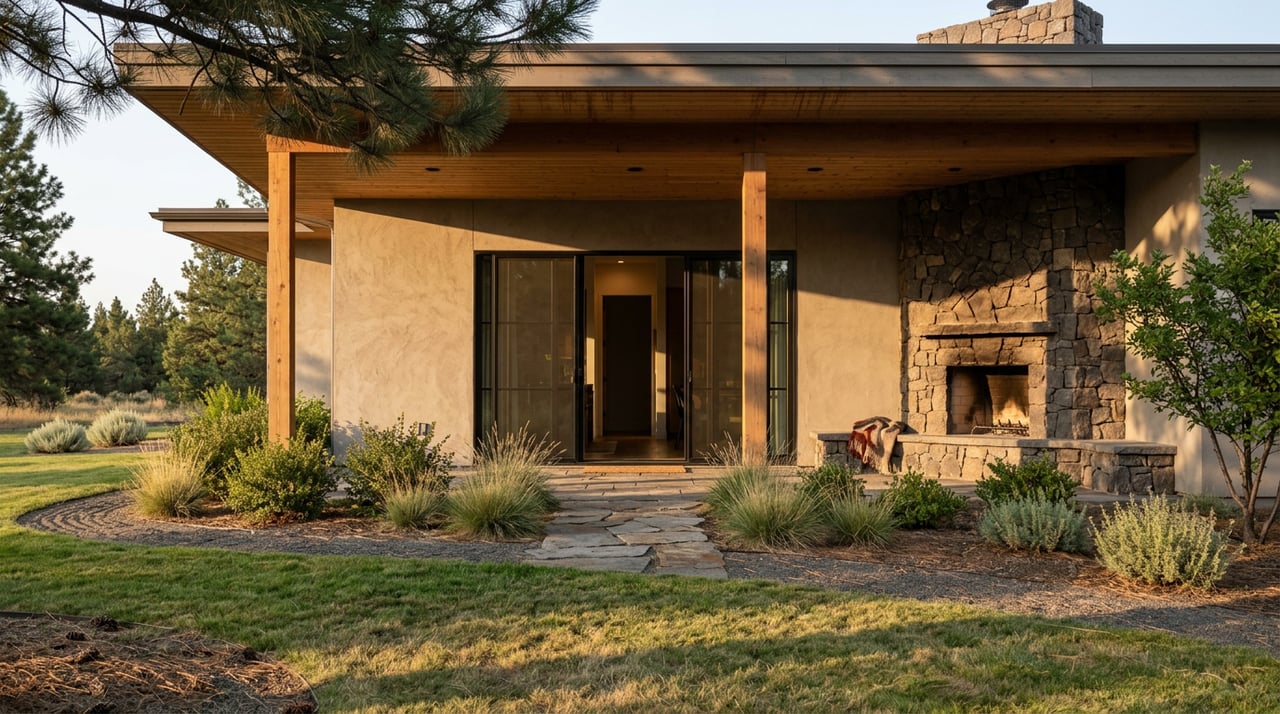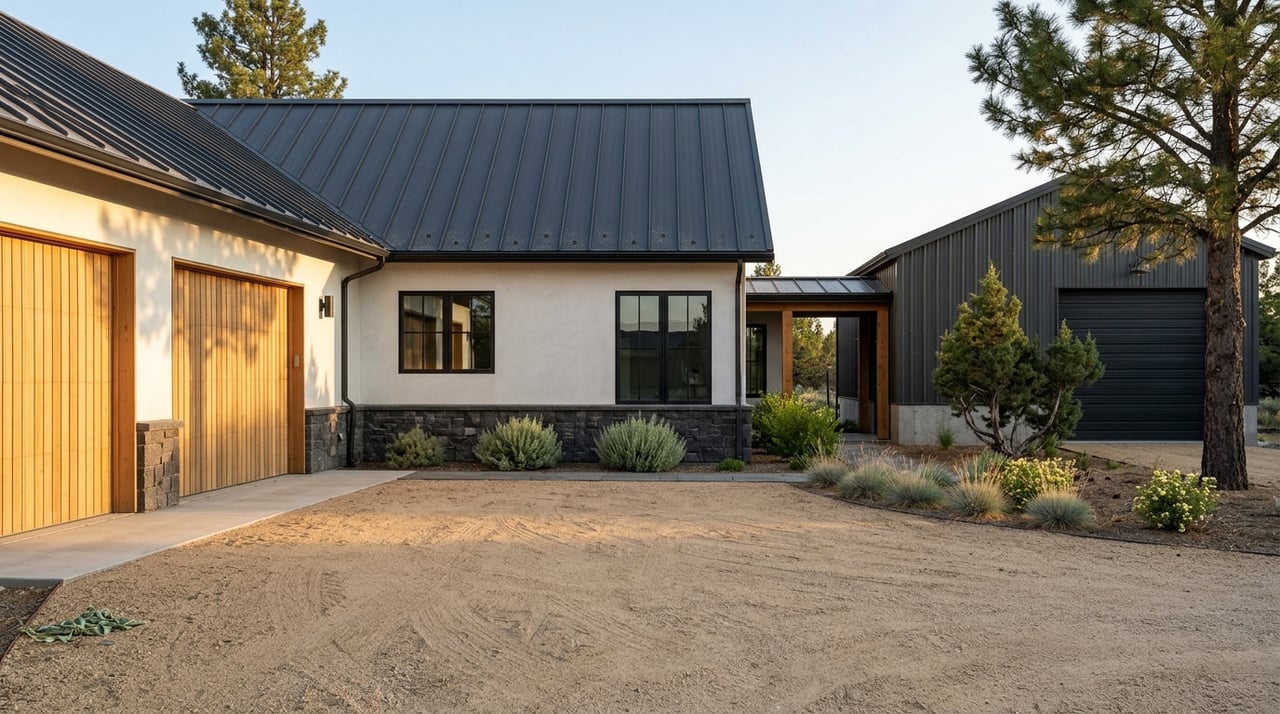
Looking for room to spread out in Terrebonne? Buying an acreage home can give you more privacy, flexibility, and open space, but it also comes with details that matter a lot more than they do in a typical in-town purchase. If you are thinking about making a move, this guide will help you understand the key issues to verify before you buy so you can move forward with more clarity and confidence. Let’s dive in.
Why Terrebonne Acreage Homes Stand Out
Terrebonne is a small rural community on the north edge of Deschutes County. County planning materials describe it as a place with residential neighborhoods and commercial districts, with single-family residences as the predominant land use.
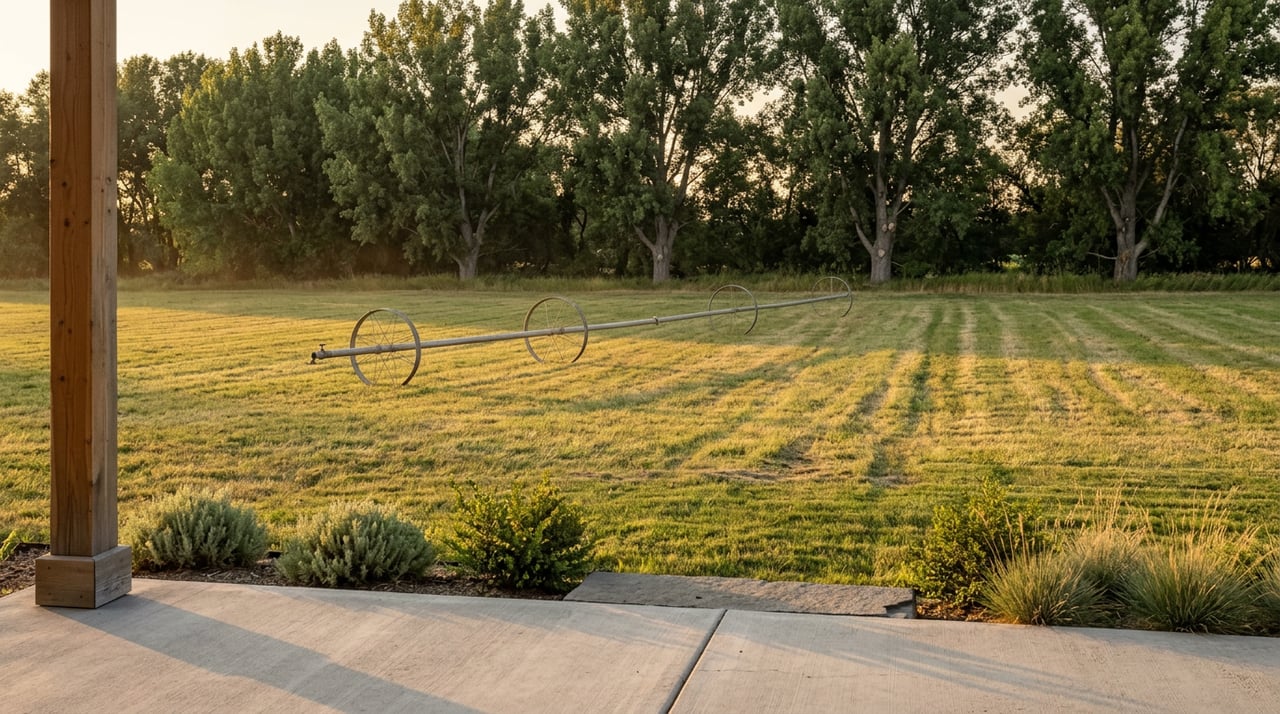
That rural setting is a big reason acreage properties attract buyers here. You may be looking for elbow room, outbuildings, extra parking, or simply a quieter setting with more land around you. At the same time, rural property often means you need to look more closely at water, wastewater, access, and ongoing maintenance.
Start With Water Service
One of the first things to confirm is how the property gets water. County materials have described some Terrebonne properties as being served by the Terrebonne Domestic Water District, while properties outside the district may rely on private domestic wells.
That difference matters because owning a home with a private well comes with added responsibilities. The state says private wells are not maintained or regulated by the state or county government, which means the well owner is responsible for routine testing and maintenance.
What to Ask About a Private Well
If the home uses a private well, ask for:
- Recent water test results
- The well report
- Basic well details such as depth, casing size, flow rate, and water level
In Oregon, sellers in a real estate transaction involving a domestic well are required to test the water and share both the results and the transaction form. The required tests are arsenic, nitrate, and total coliform bacteria.
You should also know that state guidance says the only way to know whether water is safe is to test it through an accredited laboratory. Even if a well has worked fine for years, current testing still matters during your due diligence period.
Why the Well Report Matters
A well report can tell you a lot about the water source on the property. Oregon Water Resources Department records usually include information such as well depth, casing size, flow rate, and water level for most wells drilled since 1955.
For acreage buyers, that report can add useful context when you are comparing homes. It can also help you ask better follow-up questions during inspections and transaction review.
Understand Septic Before You Buy
Many acreage homes in and around Terrebonne will not be connected to public sewer. Where public sewer is not available, Deschutes County requires onsite wastewater systems that meet county standards and DEQ rules.
This is one of the biggest areas where buyers should slow down and verify the details. A house can look like a great fit on the surface, but septic questions may affect cost, maintenance, and even your plans for future changes to the property.
Key Septic Questions to Ask
Before you buy, ask:
- Is the septic system permitted?
- Has the system been professionally evaluated?
- Is there a valid site evaluation on file for the parcel?
- Does the system require a maintenance contract?
- Are there any records showing repairs, upgrades, or ongoing service?
Deschutes County says the site evaluation process is parcel-specific and determines whether a parcel can safely treat wastewater and where an approved system may go. If a standard drainfield will not work, the county may consider alternative onsite systems.
Why a Septic Evaluation Helps
DEQ recommends that buyers and sellers consider a professional septic evaluation during a transaction. The agency points to qualified evaluators such as installers, maintenance providers, wastewater specialists, environmental health specialists, and NAWT-certified inspectors.
That extra step can help you better understand the system’s condition and any immediate maintenance needs. On acreage property, where repairs or replacement can be costly and site-dependent, that knowledge is especially important.
Some Systems Need Ongoing Contracts
Not every septic system works the same way. DEQ says some systems require a certified maintenance provider, an active service contract, and at least annual inspection.
If the property has one of those system types, the contract must remain active for the life of the system. That is why it is smart to ask not only what type of system is installed, but also what the ongoing ownership obligations look like.
Verify Access and Road Responsibility
Access is another major issue with acreage homes. In Deschutes County, a driveway access permit is required when a driveway connects a property to a public road under county jurisdiction, and county guidance also says this can apply when a private road connects to a public road.
This is not just a paperwork issue. County addressing ties the property address to the location where the driveway intersects a county road, public way, or private road, which makes access details important for permit work and emergency response.
Ask Who Maintains the Road
When you tour acreage property, go beyond the driveway itself. You should ask:
- Is the road county-maintained or owner-maintained?
- Who handles grading, plowing, and repairs?
- Are maintenance costs shared with neighboring owners?
- Are there any access agreements or road-use expectations?
Deschutes County says it maintains more than 830 miles of county roads, but there are also more than 600 miles of rural local access roads that are maintained by abutting property owners. For you as a buyer, that can affect both convenience and long-term ownership costs.
Think About Future Plans Early
If you are buying acreage, there is a good chance you are also thinking ahead. Maybe you want space for a shop, an addition, or other future improvements.
That is why county site-evaluation and permit information matters even if the home works for you today. Deschutes County guidance makes clear that site suitability and access approvals can affect what can be built later.
Terrebonne Growth Can Influence Long-Term Decisions
Deschutes County is updating the Terrebonne Community Plan. The county says this work follows a sewer feasibility study and the formation of the Terrebonne Sanitary District, and it notes that future sewer construction could affect growth and development patterns.
That does not tell you exactly what will happen to any specific property. It does mean that if you are buying with a long time horizon, it is worth paying attention to how local planning and infrastructure changes may shape the area over time.
Plan for Rural Maintenance
Acreage living often means more hands-on property care. Beyond the house itself, you may be managing a larger yard, longer driveway, fencing, drainage, or seasonal upkeep.
In Central Oregon, wildfire preparedness is also part of that picture. Deschutes County’s FireFree program offers debris collection to help homeowners create defensible space, and the county also funds fuel-reduction grants for projects that reduce wildfire risk.
Rural Ownership Includes Ongoing Upkeep
As you evaluate a property, consider asking:
- Has wildfire mitigation work been done?
- Are there debris, brush, or tree-management needs?
- How much regular upkeep will the land require?
- Will maintenance needs change with the seasons?
These questions can help you match the property to your budget, time, and comfort level. More land can be a great lifestyle fit, but it should also be a practical fit.
A Simple Acreage Buyer Checklist
When you are comparing Terrebonne acreage homes, focus on the basics first:
- Water source: district water or private well
- Recent well-water test results
- Well report and key well details
- Septic permit status and evaluation history
- Any required septic maintenance contract
- Driveway permit and legal access details
- Public versus owner-maintained road responsibility
- Wildfire mitigation and defensible-space needs
- County records that may affect future improvements
This kind of checklist helps you stay grounded during a fast-moving search. It also gives you a better framework for asking smart questions before you commit.
Why Local Guidance Matters
Acreage transactions often involve more moving parts than a standard residential purchase. Water, septic, access, road maintenance, and future-use questions can all shape the real value of the property and your experience after closing.
That is where local guidance makes a difference. When you have the right people helping you ask the right questions early, you are better positioned to avoid surprises and make a decision that fits both your goals and your day-to-day life.
If you are exploring acreage homes in Terrebonne and want a steady, informed approach, Mackenzie Licea can help you evaluate the details that matter most and navigate the process with confidence.
FAQs
What should you check first when buying an acreage home in Terrebonne?
- Start by confirming the property’s water source, septic setup, legal access, and road maintenance responsibility.
What well tests are required for an Oregon home sale with a domestic well?
- Oregon requires sellers to test for arsenic, nitrate, and total coliform bacteria and share the results and transaction form.
Why does a well report matter for a Terrebonne acreage property?
- A well report often shows useful details such as depth, casing size, flow rate, and water level, which can help you better understand the property.
What should you ask about septic on a Terrebonne acreage home?
- Ask whether the system is permitted, whether it has been evaluated, whether there is a valid site evaluation, and whether a maintenance contract is required.
Who maintains rural roads near Terrebonne acreage homes?
- Some roads are maintained by Deschutes County, while many rural local access roads are maintained by abutting property owners.
Why should future building plans matter when buying acreage in Terrebonne?
- Site suitability and access approvals can affect what you may be able to build or change later, so it is smart to review those issues early.