Wondering if Terrebonne gives you the best of Central Oregon without the pace of a larger hub? That is a smart question, especially if you want more space, easier access to outdoor recreation, and a home base that feels grounded in the high desert. If you are weighing Terrebonne against places like Bend or Redmond, this guide will help you understand what daily life, housing, and access really look like here. Let’s dive in.
Terrebonne at a Glance
Terrebonne is best understood as a small rural service center rather than a city-style center. Deschutes County describes it as a longstanding rural community at the north edge of the county, serving nearby residents and visitors with local businesses, a school, and access to Smith Rock State Park.
That distinction matters when you are choosing where to live. If you want a quieter home base with regional connections, Terrebonne may check a lot of boxes. If you want a denser urban setting with a broader mix of daily services close together, it may feel more limited.
Census Reporter’s ACS 2024 profile lists Terrebonne at 1,602 people and 507 housing units. The same profile shows a median age of 35.9, a median household income of $89,248, a median owner-occupied home value of $469,600, and a mean travel time to work of 34.4 minutes.
What Kind of Buyer Terrebonne Fits Best
Terrebonne tends to appeal to buyers who want space, a rural setting, and strong recreation access. It can be a practical choice if you like the idea of living in a smaller community while staying connected to the rest of Central Oregon by highway and regional transit.
It may be especially worth a closer look if you are searching for:
- Single-family homes
- Larger lots or acreage-style living
- A quieter day-to-day setting
- Access to U.S. 97 for regional travel
- Proximity to Smith Rock State Park
On the other hand, Terrebonne may be less appealing if your top priorities are a walkable town core, frequent local transit, or a heavier concentration of urban services. Based on the county plan and transit network, it works better as a rural base with regional links than as a substitute for a larger city center.
Terrebonne Housing Character
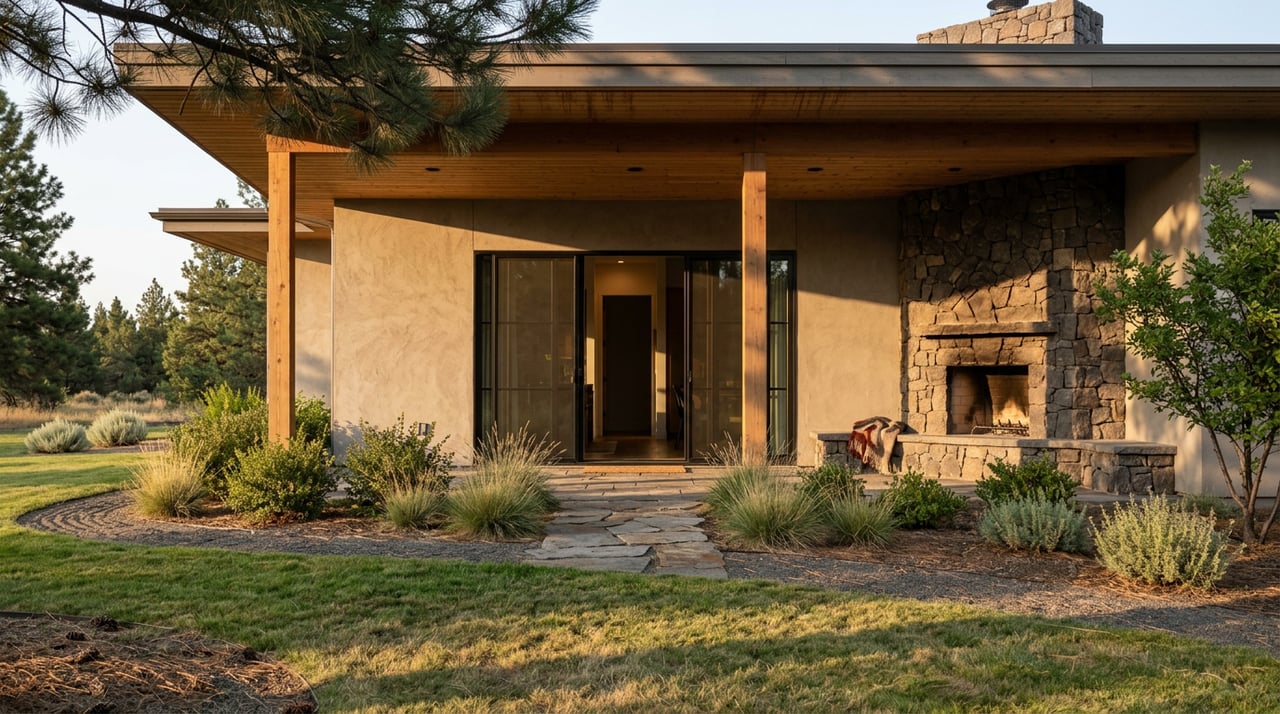
One of Terrebonne’s clearest strengths is its low-density, lot-oriented housing pattern. The Terrebonne Community Plan says single-family residences are the predominant land use, with residential designations that include lots from 0.5 to 5 acres, plus areas with a 5-acre minimum north and south of the Hillman Plat.
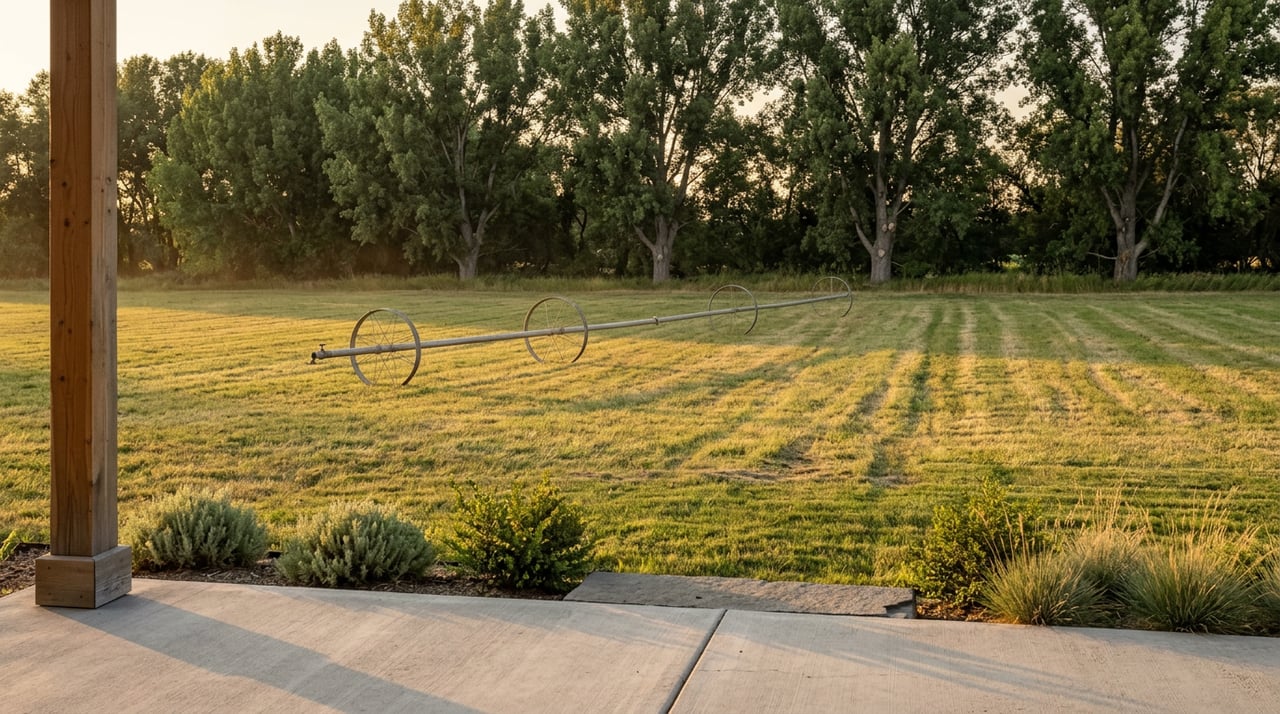
Those larger-lot areas are part of what helps maintain the community’s rural character. If you picture a home with more breathing room, open land around you, and a less compact neighborhood pattern, Terrebonne lines up well with that vision.
The same community plan also emphasizes open space, agricultural activity, and modest-scale development. It notes that water and sewer limitations affect how much growth the community can absorb, which is important if you are trying to gauge how fast the area may change over time.
Deschutes County’s rural housing profile mapped 134 vacant lots in Terrebonne’s TER and TER5 categories. That suggests some future housing potential, but still within a rural land-use framework rather than a high-growth urban pattern.
What Community Stability Looks Like
If you value a place where people tend to stay put, Terrebonne may stand out. The ACS profile shows that only 3.5 percent of residents moved within the previous year, which points to a relatively stable community.
That does not tell you everything about the market, but it does offer a useful signal. In many cases, lower turnover can reflect a place where homeowners are settled and where the overall pace of change feels more measured.
Commuting and Getting Around
Transportation in Terrebonne is shaped heavily by U.S. 97. The community plan says the highway bisects the commercial core and creates pedestrian and turning conflicts that require long-term attention to access and safety.
For many residents, that means Terrebonne functions as a car-oriented home base. You can access the wider region, but daily mobility is built more around driving than around a dense street grid or a broad local transit system.
There is also a meaningful regional transit connection. Cascades East Transit says its Community Connector network links Bend, Redmond, Terrebonne, Prineville, Madras, Culver, Metolius, Warm Springs, La Pine, and Sisters, with Route 22 serving Terrebonne and Route 24 connecting Redmond and Bend.
That said, Terrebonne appears less transit-rich than larger nearby hubs. If you are comparing communities, it helps to think of transit here as a regional link rather than the main way most people get through everyday life.
A Current Infrastructure Project to Know
If access and traffic flow matter to you, there is one current update worth noting. As of June 25, 2026, ODOT says its project at U.S. 97 and Lower Bridge Way is under construction and includes a new interchange and pedestrian upgrades, with expected completion in October 2026.
For buyers planning a move, that kind of project can be helpful context. It does not change Terrebonne’s rural identity, but it does show ongoing investment in how people move through this key corridor.
Smith Rock Is a Major Lifestyle Advantage
For many buyers, the biggest reason to choose Terrebonne is simple: Smith Rock State Park is close. The Terrebonne Community Plan places the park about three miles east of town, and Oregon State Parks describes it as a premier rock-climbing destination in the High Desert north of Bend near Terrebonne.
The park includes more than 1,500 bolted climbing routes, along with hiking and mountain biking trails. Travel Oregon also highlights climbing, hiking, biking, and wildlife viewing, while noting that parking can be challenging during peak times.
If your ideal home base includes quick access to dramatic scenery and outdoor recreation, Terrebonne has a strong case. Living nearby can make those early morning hikes, after-work views, or weekend adventures feel much more doable.
Terrebonne vs. Bigger Central Oregon Hubs
If you are choosing between Terrebonne and a larger nearby market, the real question is not which place is better overall. It is which place fits your routine, priorities, and property goals.
Here is a simple way to frame it:
| Priority | Terrebonne Fit |
|---|---|
| Larger lots and rural feel | Strong |
| Single-family housing focus | Strong |
| Quick recreation access | Strong |
| Walkable urban core | Limited |
| Frequent local transit | Limited |
| Broad city-style service mix | More limited |
Terrebonne offers a different kind of value than a larger hub. It is less about having everything packed close together and more about having room, access, and a slower-setting home base within Central Oregon.
Questions to Ask Before You Buy in Terrebonne
Before you decide whether Terrebonne is the right fit, it helps to think through your day-to-day needs. The right choice often comes down to how you want to live, not just what looks good on paper.
Ask yourself:
- Do you want more lot space than you may find in denser markets?
- Are you comfortable with a car-oriented routine?
- Will regional highway access support your work or lifestyle?
- Is quick access to Smith Rock and outdoor recreation a major priority?
- Do you prefer a rural service-center setting over a busier urban environment?
If you answer yes to most of those, Terrebonne may deserve a close look. If not, another Central Oregon home base may align better with your goals.
Why Local Guidance Matters Here
Terrebonne is not a one-size-fits-all market. Its mix of larger lots, rural character, and land-use limits means the right property choice often depends on details like location, access, lot size, and how the home fits your long-term plans.
That is where local guidance matters. When you are comparing Terrebonne with Redmond, Bend, Prineville, or Madras, you want advice that goes beyond square footage and list price and helps you see how each option supports the life you want to build.
If you are thinking about buying or selling in Terrebonne or anywhere in Central Oregon, Mackenzie Licea can help you weigh your options with clear guidance, local insight, and a strategy built around your goals.
FAQs
Is Terrebonne considered a city-style center in Central Oregon?
- No. Deschutes County describes Terrebonne as a small rural community and longstanding rural service center rather than a city-style center.
What is the housing style like in Terrebonne, Oregon?
- Terrebonne is known for low-density, single-family housing, with residential lots ranging from 0.5 to 5 acres and some areas requiring 5-acre minimums.
Is Terrebonne a good fit for buyers who want more land?
- It can be. The community plan emphasizes larger lots, open space, and rural character, which may appeal to buyers looking for more room.
How do most people get around from Terrebonne?
- Terrebonne is largely highway-oriented, with U.S. 97 playing a central role in regional access. Cascades East Transit also provides regional bus connections through Route 22.
How close is Terrebonne to Smith Rock State Park?
- Smith Rock State Park is about three miles east of Terrebonne, making it one of the area’s strongest lifestyle advantages for outdoor recreation.
What should buyers consider before choosing Terrebonne as a Central Oregon home base?
- Buyers should consider whether they want a rural setting, single-family and larger-lot housing, highway-based access, and close proximity to outdoor recreation rather than a dense urban service mix.