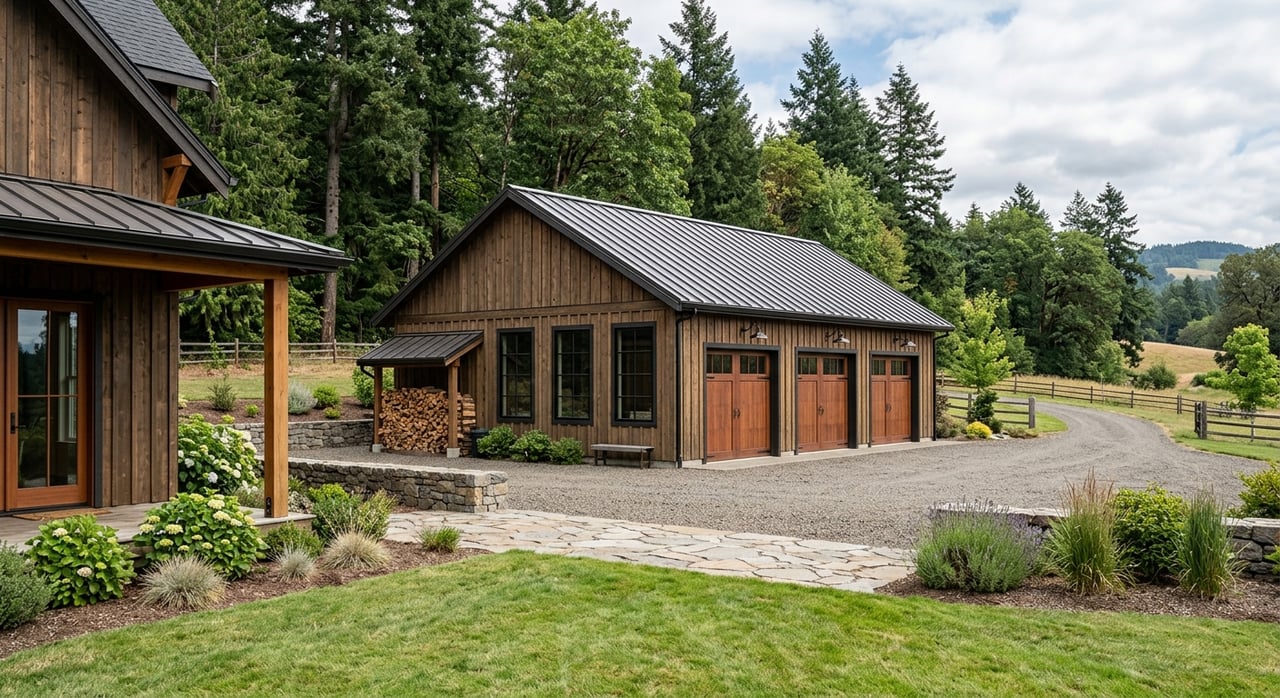
If you are getting ready to sell a rural property in Terrebonne, the biggest question is not just how the home looks. It is how clearly your land, access, water, septic, and improvements make sense to a buyer. A little prep up front can reduce confusion, support stronger pricing, and help your sale move with fewer surprises. Let’s dive in.
Why rural prep matters in Terrebonne
Selling a rural property in Terrebonne is different from selling a home in a typical subdivision. Buyers often look beyond square footage and finishes to understand how the property functions day to day. They want to know what the land offers, how the property is accessed, and whether key systems and improvements are documented.
That matters even more in Terrebonne because the area includes different zoning districts with different lot patterns and utility expectations. Deschutes County’s Terrebonne Community Plan notes that TER properties are typically served by community water and often range from about 0.5 to 5 acres, while TER5 is intended for larger rural residential lots of 5 acres or more where community water is unavailable. TECR covers rural commercial uses, which is why you should verify allowed uses and property details for your specific parcel instead of assuming based on the address.
Recent pricing data also shows why parcel-specific strategy matters. Zillow reported Terrebonne’s average home value at $574,345 and median list price at $721,333 as of May 31, 2026, while Redfin reported a Deschutes County median sale price of $675,424 over the three months ending May 2026, with a median of 28 days on market. Those figures are useful context, but they do not replace pricing based on your parcel’s condition, utility, access, and improvements.
Start with records and property facts
Before you schedule photos or make a to-do list, confirm the basics of your property. In a rural sale, paperwork often answers the questions that buyers ask first. When you can provide clear records early, you help keep negotiations focused on value instead of uncertainty.
Deschutes County’s DIAL system is one of the best starting points. It can show development information, permit history, inspection history, acreage, setbacks, flood plain status, service-provider coverage, sales history, tax assessment, and other property details. The county also advises owners with general zoning or land-use questions to contact the Planner of the Day before taking action.
Records to gather first
- Permit history for the house and outbuildings
- Inspection history if available
- Acreage and parcel details
- Setback and flood plain information
- Sales history and tax assessment details
- Service-provider information shown in county records
- Repair receipts for major systems or improvements
If you have added fencing, sheds, shops, barns, or other structures over time, it is smart to confirm what is on record. Buyers often look closely at whether improvements appear permitted and maintained, especially on acreage properties.
Verify zoning before you list
Zoning can shape how buyers view the property and what they may plan to do with it. Because Terrebonne includes a mix of residential and rural-commercial districts, two properties with similar addresses may have different use possibilities and utility setups. That is why zoning should be verified, not guessed.
A zoning check can help clarify what the parcel is allowed to be and whether any details need explanation in the listing. It can also help avoid marketing language that creates confusion later. Clear facts make for cleaner conversations with buyers.
Why zoning affects your sale
- It helps confirm allowed uses for the parcel
- It shapes buyer expectations about lot size and utilities
- It can affect how the property is priced and compared
- It reduces the chance of surprises during due diligence
Check access and driveway condition
On a rural property, access is part of the product. Buyers notice the approach to the property long before they evaluate the kitchen or primary bedroom. If the driveway feels hard to navigate or visibility at the road seems limited, that can become a major concern.
Deschutes County’s rural driveway and access standards call for minimum sight distance, limit driveway grade at the edge of the roadway to 5%, and require address signs or mailboxes to be set back 10 feet from the apparent edge of the roadway. Even if you are not making major changes, it helps to review how the entry feels from a buyer’s perspective.
Access items buyers often notice
- Visibility when entering or exiting the property
- Driveway condition and ease of use
- Turnaround space for larger vehicles
- Clear address identification from the road
- Gate function and ease of entry
If your driveway is long, narrow, or rough in places, basic cleanup can help. Trim back overgrowth, make gates easy to open, and ensure the entry sequence is simple to understand during a showing.
Address well and septic questions early
Water and wastewater are two of the biggest diligence items in a rural transaction. If your Terrebonne property has a domestic well, Oregon’s Domestic Well Testing Act may apply to the sale or exchange of the property. Under that law, the seller must test for arsenic, nitrate, and total coliform bacteria and submit the RET form and results within 90 days.
According to the Oregon Health Authority, those test results are valid for one year. Spring wells, irrigation-only wells, and wells on undeveloped land are exempt. If you are unsure whether the requirement applies to your property, it is worth sorting out before the home goes live.
Septic is a separate issue. The Oregon Department of Environmental Quality recommends a professional septic evaluation when buying or selling a home, but the evaluation is voluntary and must use DEQ’s approved form if completed. That can still be helpful because general home inspections usually do not cover wells or septic systems.
What to prepare for water and septic
- Confirm whether your property has a domestic well
- Schedule required well testing if the law applies
- Keep test results organized and easy to share
- Gather any existing septic records
- Consider whether a voluntary septic evaluation makes sense
When you handle these items early, you give buyers fewer reasons to pause. That can save time once offers start coming in.
Prepare disclosures the right way
If your property includes a residence, Oregon law requires delivery of either a disclaimer or a seller’s property disclosure statement. The disclosure is based on your actual knowledge and is not a warranty. Buyers generally have five business days after delivery to revoke their offer unless they waive that right.
That makes accuracy and preparation important. If there are known issues, prior repairs, or older systems worth noting, it helps to organize that information before listing. The goal is not to make the property sound perfect. The goal is to present it clearly and honestly.
If the property has an old heating-oil tank or underground storage tank, DEQ says sellers must disclose known underground tanks or known contaminated soil or water. This is another reason to gather records early and talk through any unusual property features before the listing is published.
Focus cleanup on what buyers value most
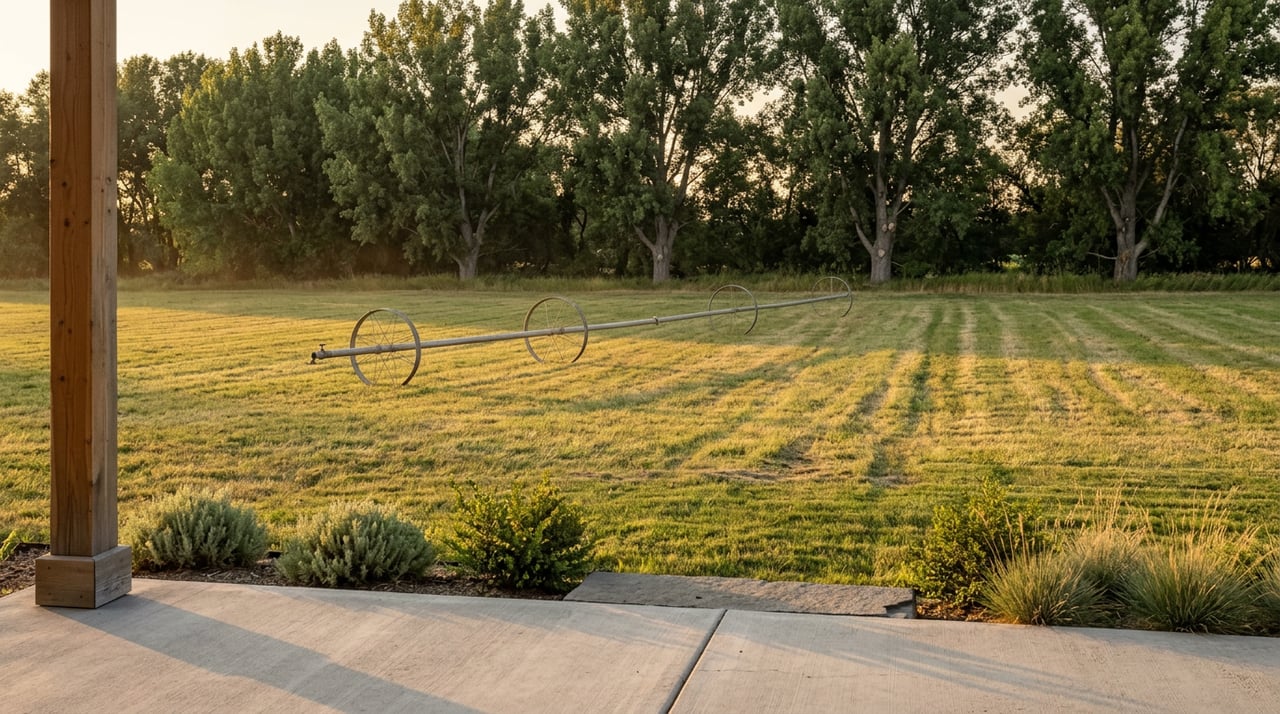
Rural property prep is not about making everything look brand new. It is about making the land easy to understand and the home easy to approach. Buyers should be able to tell where the property is maintained, what improvements add value, and how the site functions.
For many Terrebonne sellers, that means spending less time on minor decor updates and more time on outdoor readability. Clean, visible, and organized usually wins over overstyled. A buyer should be able to picture how the property works within a few minutes of arriving.
High-impact cleanup tasks
- Tidy outbuildings and remove obvious clutter
- Open gates and clear paths
- Organize equipment and storage areas
- Make fenced sections easy to identify
- Highlight parking and turnaround space
- Keep utility access areas visible
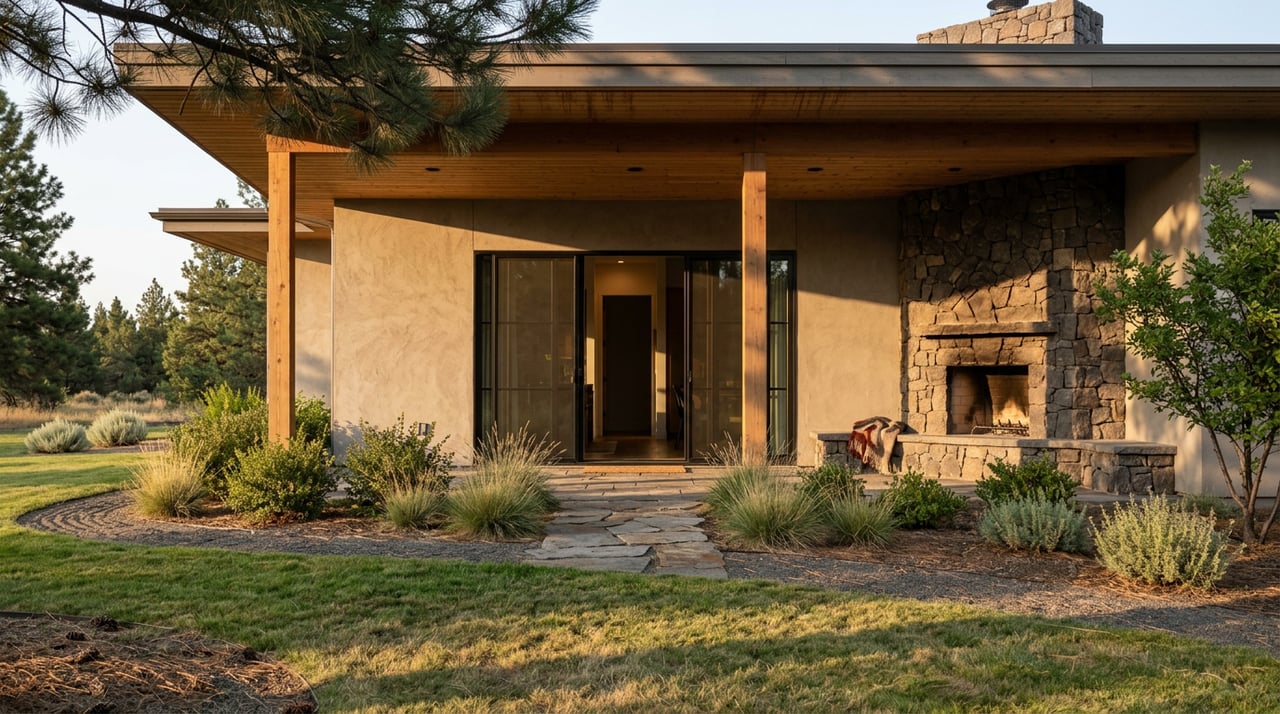
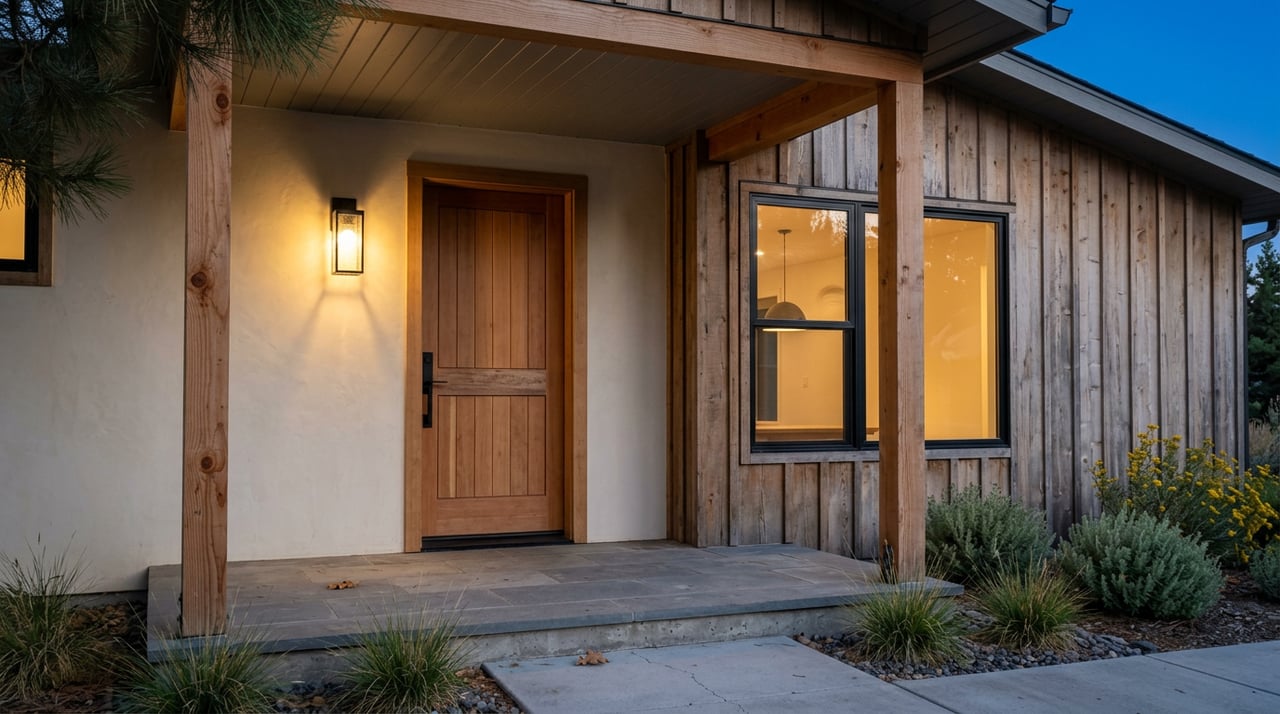
- Clean up rooflines, gutters, and entry points
If your property has a strong view, make sure it is visible from the driveway, main living areas, and listing photos. In many rural sales, the setting carries as much weight as the house itself.
Create defensible space before photos
Wildfire readiness is a meaningful prep item in Deschutes County. The Oregon State Fire Marshal says the first five feet around the home is the front line in defending against wildfire. Deschutes County’s FireFree program also offers free yard-debris collection to help homeowners create defensible space.
From a selling standpoint, defensible space work helps in two ways. It can improve how the property presents in photos and showings, and it shows buyers that the property has been maintained with local conditions in mind.
Defensible space tasks to prioritize
- Remove dead brush and yard debris
- Clear roof and gutters
- Make the house number easy to see
- Keep the driveway and entry visible
- Improve sightlines around the home
These steps are practical, visible, and often worth doing before professional photography.
Expect more detailed buyer questions
Rural buyers often ask broader diligence questions than suburban buyers. Oregon’s home-inspector guidance notes that general inspectors typically do not inspect septic systems, wells, underground piping, or swimming pools. That means buyers may bring in separate specialists for certain systems.
This is where preparation gives you leverage. If you already have well test results, septic records, permit documents, and repair receipts ready, you remove some of the uncertainty that can slow a deal down. Buyers are still likely to do their own diligence, but clear documentation can make the process feel more straightforward.
Questions buyers may ask first
- What zoning applies to this parcel?
- How is the property accessed?
- Is there a domestic well, and are test results available?
- What septic records exist?
- Were outbuildings and other improvements permitted?
- Has wildfire cleanup or defensible-space work been done?
Build a realistic listing timeline
One of the biggest mistakes rural sellers make is assuming they can prep an acreage property on the same schedule as an in-town home. In Terrebonne, the timeline is often shaped by document gathering, site cleanup, and system testing. That work can take longer than expected.
A realistic pre-listing plan may include pulling DIAL records, verifying zoning, scheduling well testing if applicable, collecting disclosure details, and deciding whether a septic evaluation is worthwhile. Then comes physical prep, photos, and pricing strategy based on the parcel’s specific strengths.
A simple rural prep sequence
- Verify zoning and parcel facts
- Pull permit and property records
- Address well and septic questions
- Organize disclosures and repair receipts
- Clean up access, land features, and outbuildings
- Create defensible space and improve visibility
- Prepare photos that show both the home and setting
- Price using parcel-specific comparables
Position the property clearly from day one
In a Terrebonne rural sale, the strongest listings usually answer practical questions before buyers have to ask. They show what the land offers, how the property functions, and which details have already been verified. That kind of clarity builds confidence and can lead to smoother negotiations.
If you are thinking about selling, the right strategy is usually part pricing, part presentation, and part problem-solving. A rural property has more moving pieces, but with the right prep, those details can become strengths instead of sticking points.
If you want help building a smart plan for your Terrebonne property, connect with Mackenzie Licea. You can get clear guidance on pricing, prep, and how to position your acreage for the strongest possible sale.
FAQs
How much time should you allow to prepare a Terrebonne rural property for sale?
- A rural listing timeline often depends on gathering records, verifying zoning, scheduling well testing if needed, and completing site cleanup, so it is wise to allow more time than you would for a typical in-town home.
Does an Oregon Terrebonne seller need a well test before selling?
- If the property sale includes a domestic well, Oregon’s Domestic Well Testing Act generally requires testing for arsenic, nitrate, and total coliform bacteria and submission of the RET form and results within 90 days.
Should a Terrebonne seller get a septic evaluation before listing?
- A septic evaluation is voluntary, but DEQ recommends a professional evaluation when buying or selling a home, and some sellers choose to do it early because general home inspections usually do not cover septic systems.
What records should a Terrebonne acreage seller gather before listing?
- Start with DIAL records, permit history, inspection history, acreage details, setback information, flood plain status, service-provider details, repair receipts, and any records tied to wells, septic, or outbuildings.
What do buyers scrutinize most on Terrebonne rural properties?
- Buyers often focus on access, water, septic, permit history, defensible-space work, and whether improvements appear documented and maintained.
How much cleanup is enough for a rural property showing in Terrebonne?
- Focus on making the property easy to understand by cleaning up clutter, opening gates, organizing outbuildings, improving driveway visibility, and clearly showing maintained areas, utility access, and major site features.